Choosing the Right Golf Cart Battery: A Guide
- selina gray
- Jun 18
- 3 min read

Golf carts are a popular choice for navigating golf courses, but they require the right battery to ensure optimal performance. Choosing the right golf cart battery can significantly impact your cart's efficiency, longevity, and overall experience on the course. In this guide, we will explore the various types of golf cart batteries, their features, and how to select the best one for your needs.
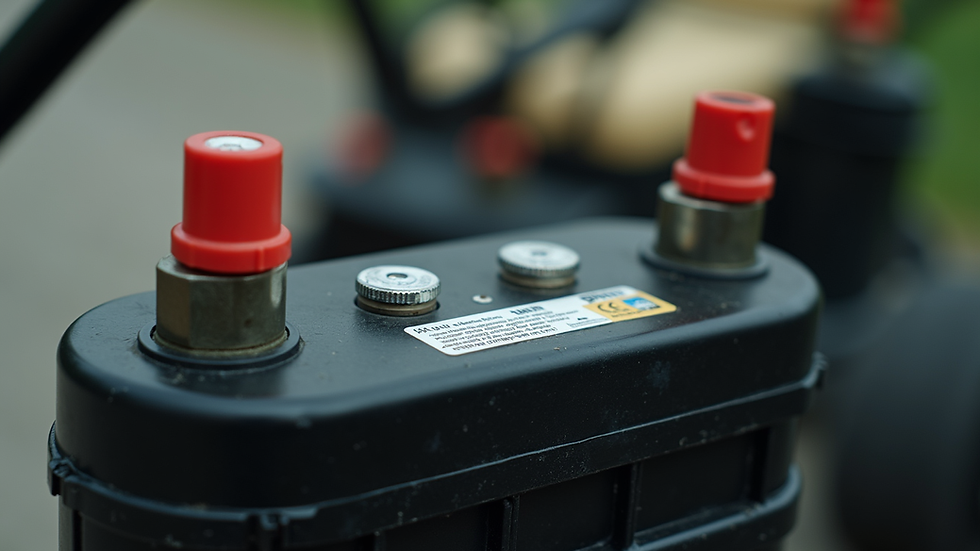
Understanding Golf Cart Batteries
Golf cart batteries are essential components that power the electric motors of the carts. They come in various types, each with unique characteristics and benefits. Understanding these types will help you make an informed decision.
Types of Golf Cart Batteries
Lead-Acid Batteries
Flooded Lead-Acid Batteries: These are the most common type of golf cart batteries. They are affordable and reliable but require regular maintenance, such as checking water levels and cleaning terminals.
AGM (Absorbent Glass Mat) Batteries: AGM batteries are sealed and maintenance-free. They offer better performance and longer life compared to flooded batteries but come at a higher price.
Gel Batteries: Similar to AGM, gel batteries are sealed and maintenance-free. They are less prone to damage from deep discharges but can be sensitive to temperature changes.
Lithium-Ion Batteries
Lithium-ion batteries are becoming increasingly popular in golf carts due to their lightweight design and longer lifespan. They charge faster and require less maintenance than lead-acid batteries. However, they are more expensive upfront.
Key Factors to Consider When Choosing a Battery
When selecting a golf cart battery, consider the following factors:
Voltage: Most golf carts operate on 36V or 48V systems. Ensure that the battery you choose matches your cart's voltage requirements.
Capacity: Measured in amp-hours (Ah), capacity indicates how long the battery can power your cart. A higher Ah rating means longer run time.
Weight: The weight of the battery can affect the cart's performance. Lithium-ion batteries are lighter, which can improve handling and speed.
Cost: While lead-acid batteries are cheaper, lithium-ion batteries may offer better value over time due to their longevity and lower maintenance costs.
Maintenance Tips for Golf Cart Batteries
Proper maintenance can extend the life of your golf cart battery. Here are some essential tips:
Regular Charging: Always charge your battery after use. Avoid letting it discharge completely, as this can damage the cells.
Water Levels: For flooded lead-acid batteries, check the water levels regularly and top them off with distilled water as needed.
Clean Terminals: Keep the battery terminals clean and free from corrosion. Use a mixture of baking soda and water to clean any buildup.
Temperature Control: Store your batteries in a cool, dry place. Extreme temperatures can affect performance and lifespan.
Signs Your Golf Cart Battery Needs Replacement
Knowing when to replace your golf cart battery is crucial for maintaining performance. Look for these signs:
Reduced Run Time: If your cart is not holding a charge as long as it used to, it may be time for a new battery.
Swelling or Leakage: Any visible swelling or leaking from the battery indicates a problem and should be addressed immediately.
Corrosion: Excessive corrosion around the terminals can signal that the battery is nearing the end of its life.
Comparing Costs: Lead-Acid vs. Lithium-Ion Batteries
When considering the cost of golf cart batteries, it's essential to look beyond the initial purchase price. Here's a breakdown of the costs associated with both types:
Lead-Acid Batteries
Initial Cost: Generally lower, ranging from $800 to $1,200 for a set of six batteries.
Lifespan: Typically lasts 4 to 6 years with proper maintenance.
Maintenance Costs: Requires regular maintenance, which can add to the overall cost.
Lithium-Ion Batteries
Initial Cost: Higher upfront cost, usually between $1,500 and $3,000.
Lifespan: Can last 10 years or more with minimal maintenance.
Maintenance Costs: Very low, as they do not require regular maintenance.
Environmental Considerations
When choosing a golf cart battery, consider the environmental impact. Lithium-ion batteries are generally more eco-friendly due to their longer lifespan and lower maintenance needs. Additionally, they can be recycled more efficiently than lead-acid batteries.
Conclusion
Choosing the right golf cart battery is crucial for ensuring your cart operates efficiently and effectively. Whether you opt for lead-acid or lithium-ion, understanding the differences and considering factors like voltage, capacity, and maintenance will help you make the best choice. Remember to maintain your battery properly to extend its life and performance.
By investing in the right battery, you can enhance your golfing experience and enjoy many rounds on the course without worry. Take the time to research and select the battery that best fits your needs, and you’ll be well on your way to a more enjoyable golfing experience.


Comments